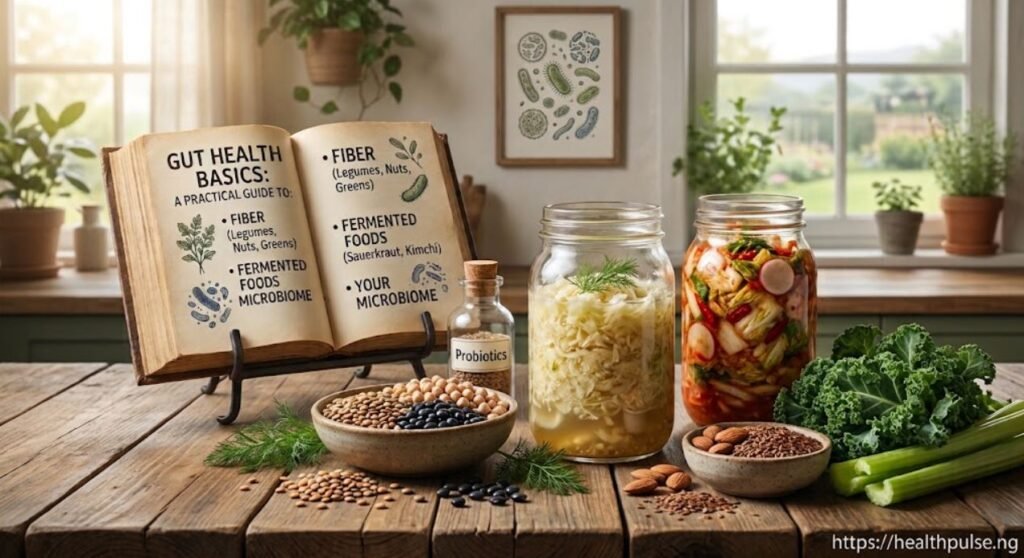
Your gut is often called your second brain, and it’s easy to see why. It’s vital for how you digest food, soak up nutrients, and even how your immune system works. Sitting at the heart of this system is the microbiome, a massive community of trillions of bacteria, viruses, and fungi living mostly in your large intestine. It might sound a little strange to have trillions of tiny residents inside you, but they’re essential partners in your health.
Understanding the Microbiome
Your microbiome is as unique as your fingerprint. Think of it as a busy, microscopic ecosystem that needs care to thrive. When your gut bacteria are diverse and balanced, they help break down complex carbs, create vitamins like B12 and K, and act as a shield against harmful germs. You don’t need to be perfect; you just need to give your internal ecosystem the right fuel.
The Power of Fiber
If you want to support your gut health, fiber is your best friend. It’s a type of carbohydrate your body can’t digest on its own. Instead, it heads to your large intestine, where it acts as the main food source for your beneficial gut bacteria. This process, called fermentation, creates short-chain fatty acids that are vital for keeping your gut lining healthy.
Types of Fiber to Include
Not all fiber is the same, and variety is the secret to a diverse range of microbes. Try to eat a mix of different plant-based foods so you get both soluble and insoluble fiber.
- Whole grains: Oats, brown rice, quinoa, and barley provide steady energy and fiber.
- Legumes: Beans, lentils, and chickpeas are fiber powerhouses that also offer plant-based protein.
- Fruits and vegetables: Berries, apples, pears, broccoli, and carrots are excellent sources of fiber and essential phytonutrients.
- Nuts and seeds: Chia seeds, flaxseeds, and almonds add fiber and healthy fats to your diet.
The Role of Fermented Foods
Fermented foods have been a staple for centuries, and modern science is finally catching up to what traditional wisdom always knew: they’re great for gut health. Fermentation is a natural process where microorganisms like bacteria or yeast break down sugars in food. This preserves the food and creates helpful microbes called probiotics.
Adding a small serving of fermented food to your daily routine can introduce new, helpful bacteria to your system. Popular options include:
- Yogurt: Look for plain varieties with live and active cultures to skip the added sugars.
- Kefir: A fermented milk drink that’s often packed with more probiotics than standard yogurt.
- Sauerkraut: Fermented cabbage is a simple addition to salads or sandwiches.
- Kimchi: A spicy, fermented vegetable dish that adds a punch of flavor and probiotics to any meal.
- Kombucha: A fermented tea that can be a refreshing alternative to sugary sodas.
Lifestyle Factors Beyond Food
While food is the foundation, it isn’t the only thing that affects your gut health. Your daily habits play a big role in how your microbiome runs. Stress management is huge. The gut-brain axis is a two-way street; when you’re stressed, your gut often reacts with bloating or discomfort. Practicing mindfulness, moving your body, and getting enough sleep can help keep your gut-brain axis in harmony.
Key Takeaways
Improving your gut health is about small, consistent choices. By focusing on whole, plant-based foods and adding in fermented options, you provide the building blocks your microbiome needs to support your digestion and immunity. Don’t worry about hitting a perfect diet overnight. Start by adding one extra serving of veggies or a small portion of fermented food to your day and see how you feel.
When to Talk to a Doctor
While food changes can help a lot with digestion, they aren’t a substitute for medical advice if you’re having persistent trouble. See a doctor if you notice chronic symptoms like unexplained weight loss, ongoing abdominal pain, blood in your stool, recurring diarrhea or constipation, or big changes in your bowel habits that don’t get better with dietary adjustments. A doctor can rule out underlying issues and give you advice tailored to your history.
FAQ
Q: Is it better to take a probiotic supplement or eat fermented foods?
A: For most people, getting probiotics from whole, fermented foods is better because these foods also provide the fiber and nutrients that help those good bacteria survive. Supplements can be useful sometimes, but talk to your doctor first.
Q: How long does it take to see improvements in gut health?
A: Everyone is different, but many people start to notice better digestion and energy within a few weeks of consistently eating more fiber and fermented foods.
Q: Can fiber cause bloating?
A: Yes, if you ramp up your fiber intake too fast, it can cause temporary gas and bloating. The best way to do it is to increase your fiber slowly over several weeks and drink plenty of water to help it move through your system.
Q: Do I need to avoid all processed foods for a healthy gut?
A: You don’t have to be perfect. The goal is to focus on a diet where most of your food is minimally processed and high in fiber. Cutting back on ultra-processed foods that are full of added sugars and artificial additives will help your microbiome, but balance is key to keeping it up.
